
Pediatric Foot Care in Lakeland, FL
Children's feet change as they grow. While many variations in walking and foot shape are normal, persistent pain, stiffness or difficulty keeping up with activities deserves attention. Dr. William S. Wong provides podiatric evaluations to help families understand foot-related concerns and appropriate next steps.

Dr. William S. Wong, DPM
A graduate of the New York College of Podiatric Medicine and a Fellow of the American College of Foot and Ankle Surgeons, Dr. Wong provides foot and ankle care in Lakeland, Florida.
25+ Years in BusinessHow Do Children's Feet Develop?
Developing feet differ from adult feet. Flat-looking arches, variations in walking and changes in alignment can be part of normal growth.
Young children often have low or absent visible arches. In flexible flat feet, the arch may appear when the child sits or rises onto the toes and flatten during standing.
In-toeing occurs when the feet point inward during walking or running. Depending on age, it may reflect variation in the shape or rotation of the feet or legs.
Many painless developmental differences improve without special shoes, braces or surgery. Persistent pain, marked stiffness, a limp or worsening functional difficulty should be assessed.
A pediatric foot evaluation helps distinguish normal development from conditions that may require care or referral.
Ask about a child's foot evaluation →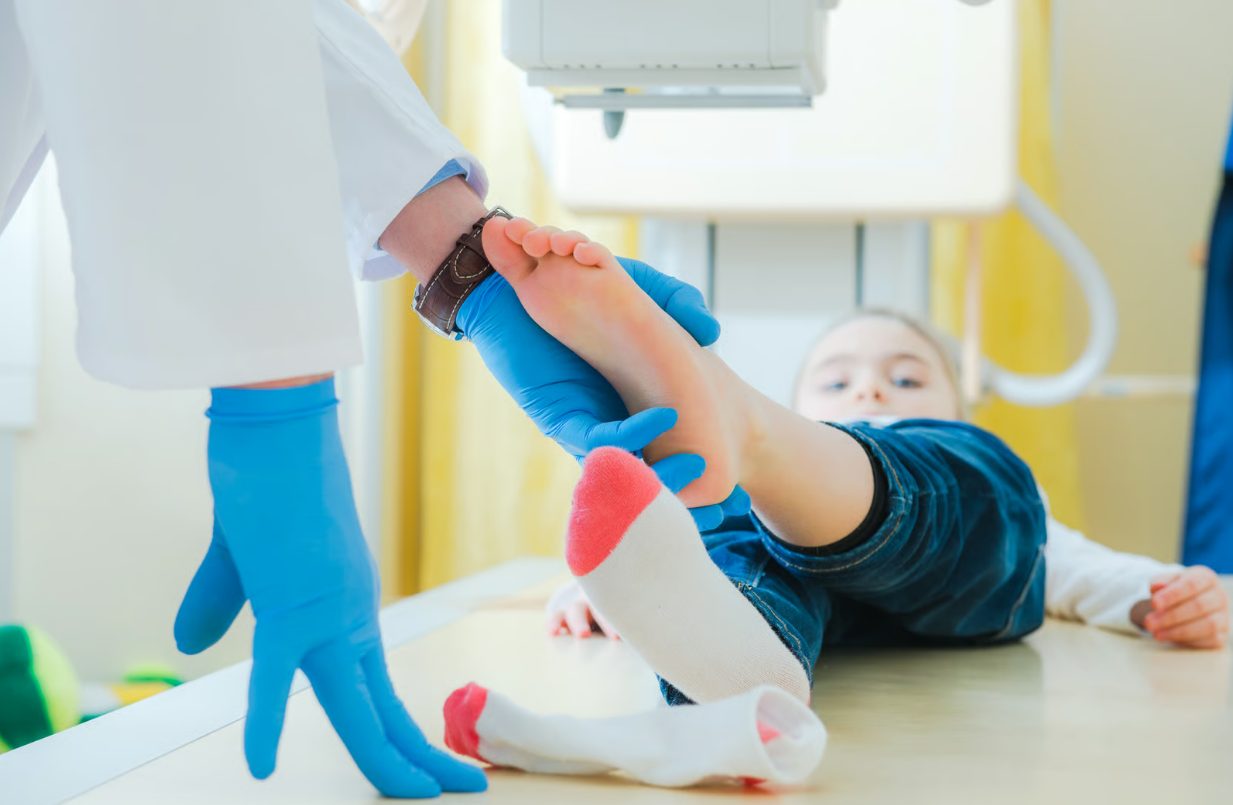
Children's Foot Concerns Worth Evaluating
Appearance alone does not always indicate a problem. Symptoms and function are particularly important.
Persistent Foot Pain
Recurring pain in the feet or ankles during walking, sports or daily play.
Painful Flat Feet
Low arches accompanied by discomfort, fatigue or difficulty with activities.
Frequent Tripping
Repeated tripping or walking difficulty that is unusual or interferes with movement.
Persistent Limping
A limp that lasts, recurs or has no clear explanation needs assessment.
Stiffness or Limited Motion
A foot that appears rigid or has restricted movement may need closer examination.
Swelling or Injury
New swelling, localized tenderness or difficulty bearing weight after activity or trauma.
Does Every Child With Flat Feet Need Orthotics?
No. Painless flexible flat feet commonly need no treatment. Inserts may sometimes help symptomatic children, but they generally do not create a permanent arch or change normal development.
Foot & Walking Conditions in Children
Children's foot concerns differ according to age, development and medical history.
Flexible Flat Feet
A flexible arch may flatten during standing but appear when non-weight-bearing. Without pain or limitation, treatment may not be necessary.
In-Toeing
Feet pointing inward may relate to rotational development of the foot or leg. Many cases improve naturally; painful or unusual patterns need review.
Toe Walking
Persistent toe walking may be habitual or associated with muscle tightness or other conditions. Evaluation can determine whether referral is needed.
Heel Pain in Active Children
Heel discomfort may be associated with growth-related conditions or repetitive sports activity, but fractures and other causes must also be considered.
Injuries and Nail Problems
Children can also develop ankle sprains, toenail irritation and other common foot conditions requiring age-appropriate care.
What Happens During a Pediatric Foot Evaluation?
Evaluations consider the child's age, symptoms, development, flexibility and everyday mobility.
Many childhood variations require only reassurance and observation; others may need further examination or specialist referral.
Growth and Symptom History
Discussion of development, pain, prior injuries, family history and activity limitations.
Foot and Walking Assessment
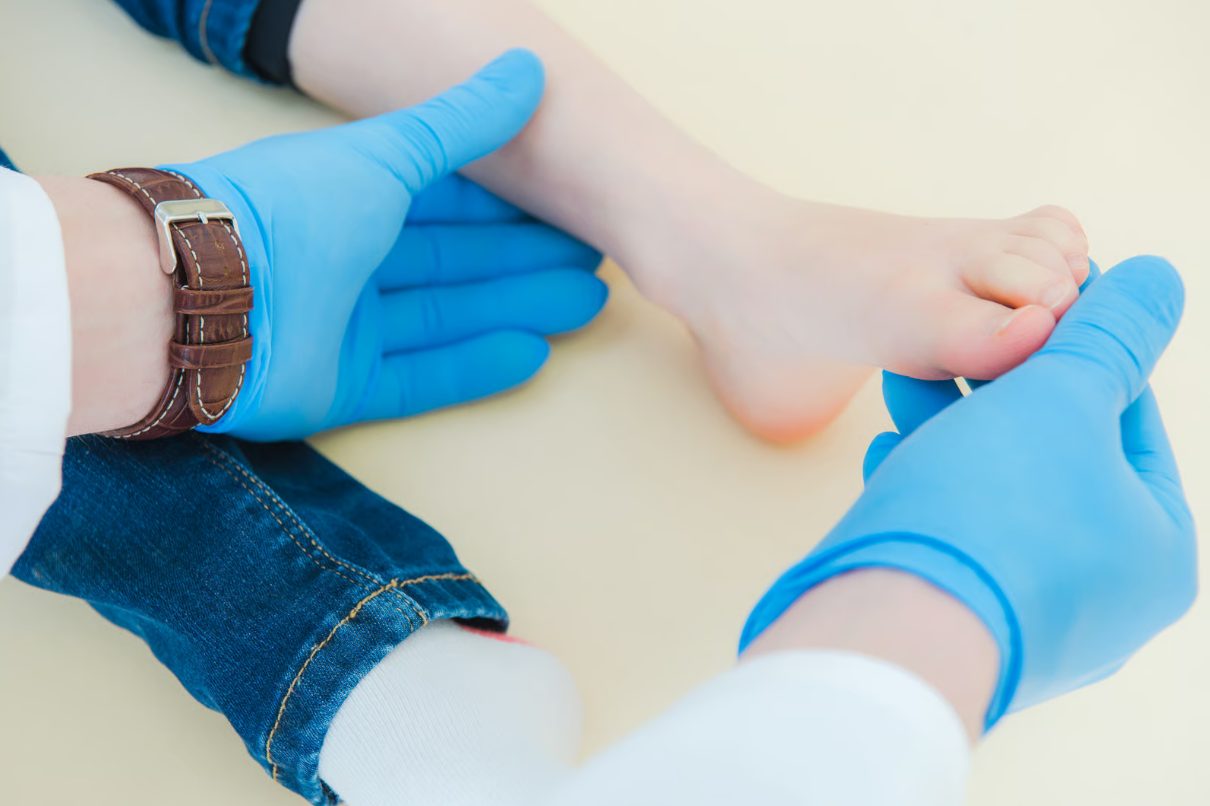
Examination of arch flexibility, movement, tenderness and walking patterns as appropriate.
Guidance or Referral
Discussion of normal development, monitoring, treatment when indicated and referral for complex concerns.
Pediatric Foot Care Options
Treatment is not automatic. The right choice depends on symptoms and examination findings.
Reassurance and Observation
Normal, painless developmental variations may need only monitoring over time.
Footwear Guidance
Properly fitted, comfortable shoes can support regular activities without unnecessary restriction.
Symptom-Focused Inserts
Inserts may improve comfort in selected cases of painful flexible flat feet, but are not routinely required.
Stretching or Rehabilitation
Targeted exercises may be appropriate for certain symptomatic conditions or muscle tightness.
Injury Evaluation
Pain after trauma may require examination, protection, imaging or specialist care.
Specialist Referral
Significant asymmetry, rigidity, unexplained pain or complex developmental findings may warrant referral to pediatric orthopedics or another specialist.
Do Special Shoes Fix In-Toeing?
Most common developmental in-toeing improves on its own. Special shoes, inserts and braces generally do not correct the typical rotational causes. A clinician can evaluate unusual or painful walking patterns.
Helping Children Stay Comfortable and Active
Watch how your child moves and whether foot symptoms interfere with play.
Helpful Everyday Habits
- Choose shoes that fit the child's current foot size.
- Allow comfortable, age-appropriate activity.
- Ask about recurring pain rather than assuming it is normal growth.
- Monitor symptoms and changes in walking over time.
When to Seek an Evaluation
- Pain limits play, sports or ordinary walking.
- The child has a persistent or unexplained limp.
- A foot appears stiff, rigid or significantly asymmetric.
- Injury symptoms, swelling or tenderness persist.
When a Child Needs Prompt Care
A child who cannot bear weight, has significant injury-related deformity, fever with a painful swollen joint, or severe unexplained pain requires prompt medical evaluation. These findings should not be dismissed as growing pains.
Pediatric Foot Care FAQs
Answers about developing feet and walking concerns.
Are flat feet normal in young children?
Yes. Flexible flat feet are common in children, and painless cases often need no treatment. Painful or rigid flat feet deserve assessment.
Will my child's in-toeing correct itself?
Many common developmental causes improve naturally. In-toeing with pain, swelling, limping or unusual asymmetry should be evaluated.
Does my child need orthotics for flat feet?
Not necessarily. Painless flexible flat feet generally do not require orthotics. Inserts may improve comfort in selected symptomatic cases.
When should a child's foot pain be checked?
Persistent, recurring or worsening pain, limping, swelling or difficulty participating in normal activities deserves medical evaluation.
Can toe walking be normal?
Some young children walk on their toes temporarily. Persistent toe walking, tightness or an inability to walk with heels down may need evaluation for an underlying cause.
Do children usually need surgery for flat feet?
No. Surgery is rarely indicated for flexible flat feet in children. Complex, rigid or persistently painful conditions may require specialist evaluation.
Related Foot & Ankle Services
Explore other services at Lakeland Foot & Ankle.