
Ingrown Toenail Treatment in Lakeland, FL
A painful nail edge can make shoes, walking and everyday activities uncomfortable. Dr. William S. Wong provides podiatric evaluations for ingrown toenails, nail-fold irritation and related toenail concerns, with treatment recommendations based on the condition.

Dr. William S. Wong, DPM
A graduate of the New York College of Podiatric Medicine and Fellow of the American College of Foot and Ankle Surgeons, Dr. Wong provides foot and ankle care for patients in Lakeland, Florida.
25+ Years in BusinessWhat Is an Ingrown Toenail?
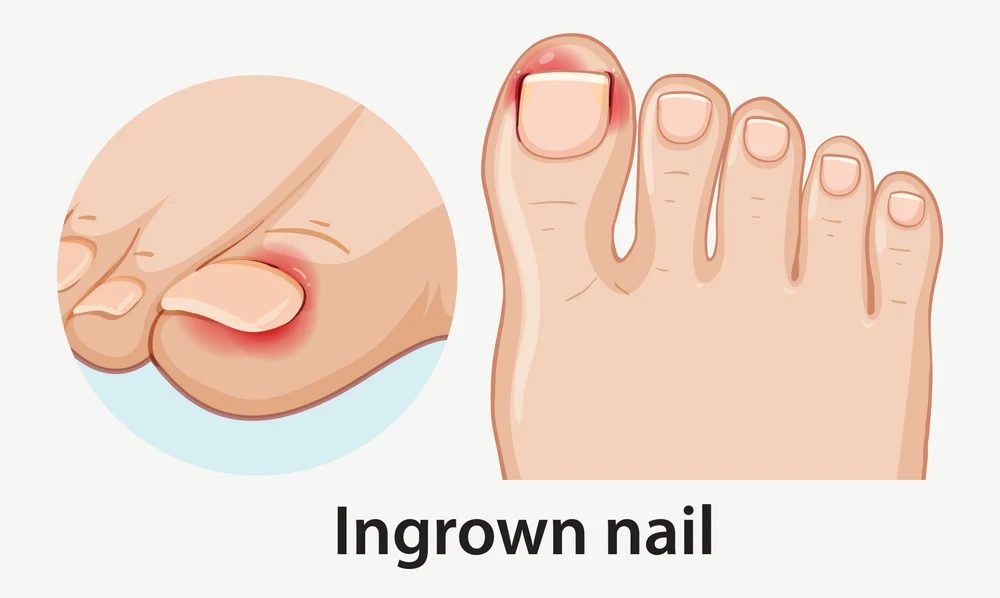
An ingrown toenail occurs when the edge of a nail presses into or irritates the surrounding skin, usually along the side of the big toe.
As the nail edge continues pressing against the nail fold, the area can become tender, red and swollen. More advanced cases may develop drainage, excessive tissue growth or a secondary infection.
Mild nail-fold irritation may improve with appropriate pressure reduction and care. Recurrent or more severe ingrown nails sometimes require professional treatment of the offending nail edge.
People with diabetes, neuropathy or reduced circulation should seek medical advice promptly rather than attempting to cut out an ingrown nail themselves.
Request a toenail evaluation →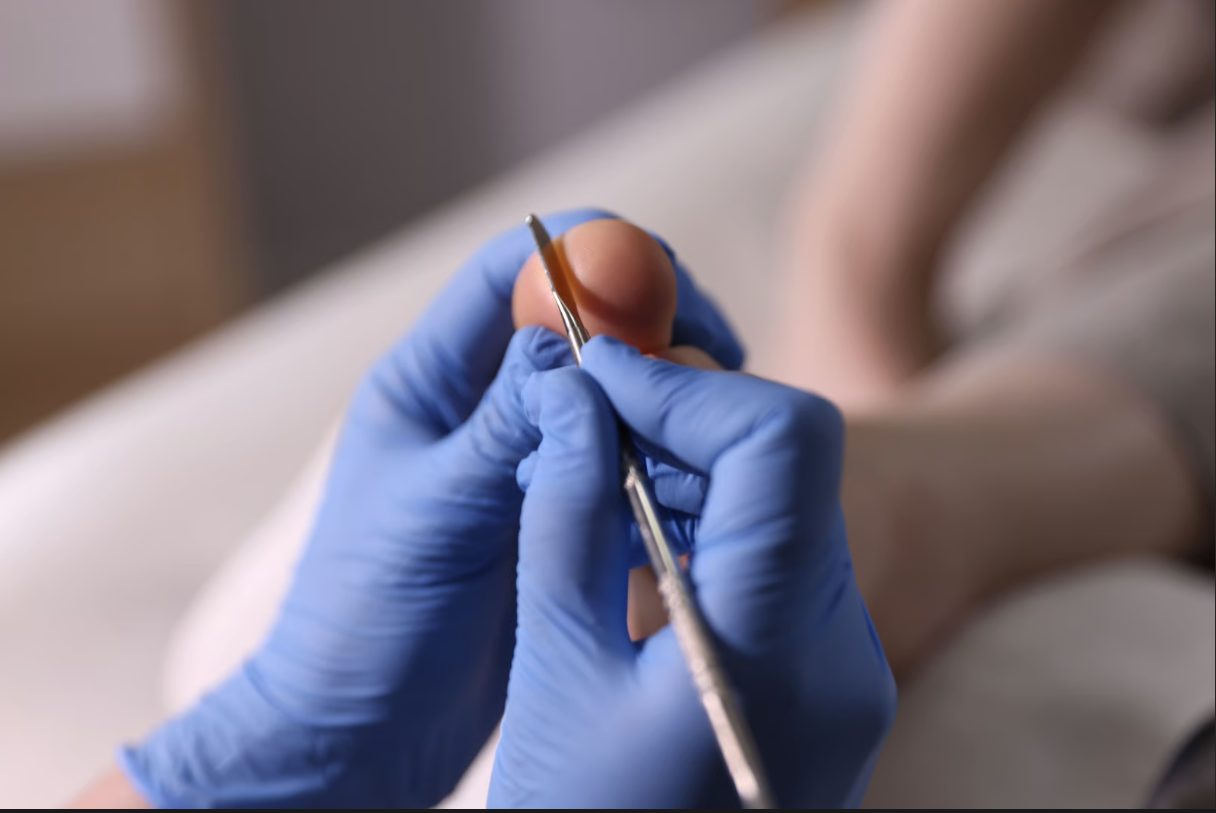
Common Ingrown Toenail Symptoms
The appearance and severity of symptoms can change as irritation progresses.
Side-of-Nail Pain
Tenderness along one or both edges of the toenail, particularly when touched.
Redness
Inflamed skin near the nail edge that may become increasingly sensitive.
Swelling
Puffiness or enlargement of the skin bordering the nail.
Pain in Shoes
Additional discomfort when closed-toe footwear presses against the affected area.
Drainage or Crusting
Fluid, pus or crusting around the nail may indicate a more advanced problem.
Recurring Irritation
Repeated pain along the same nail edge, even after a temporary improvement.
When Is an Ingrown Toenail More Concerning?
Increasing redness, spreading swelling, pus, significant pain or fever warrants prompt evaluation. Do not wait for severe pain if you have diabetes or poor circulation, because sensation may be reduced.
What Causes Ingrown Toenails?
Several factors can contribute to nail edges pressing into the surrounding skin.
Improper Nail Trimming
Cutting nails too short or rounding their corners excessively may leave an edge that digs into the skin.
Tight Footwear
Shoes that compress the toes may create additional pressure along the nail fold.
Toe Injuries
Stubbing a toe, repeated impact or sports-related nail trauma may contribute.
Natural Nail Shape
Some nails have a more curved shape, which can make nail-edge irritation more likely.
Repeated Moisture and Friction
Sweaty feet and recurring pressure may aggravate the surrounding tissues.
How Is an Ingrown Toenail Evaluated?
The examination focuses on the affected nail edge, surrounding skin and whether infection or other complications are present.
Symptoms and History
Review of pain, recurrence, prior nail treatment, footwear and relevant medical conditions.
Nail and Skin Examination
Assessment of the nail edge, swelling, tenderness, drainage and surrounding tissue.
Treatment Planning
Discussion of suitable conservative care, possible professional procedures or referral, and prevention.
Ingrown Toenail Treatment Options
Recommendations depend on pain, the condition of the nail fold, recurrence and medical risks.
Footwear Changes
Wider shoes or footwear that does not press on the painful nail edge may reduce friction in mild cases.
Gentle Local Care
Appropriate hygiene and clinician-guided care may reduce irritation. Treatment needs vary, particularly if infection is suspected.
Nail-Edge Support
Certain mild cases may benefit from professional guidance on separating the nail edge from irritated skin. Do not dig beneath the nail yourself.
Infection Assessment
Drainage, spreading redness or significant inflammation requires assessment. Antibiotics are not automatically needed for every ingrown toenail.
Partial Nail Removal
For selected recurrent or more severe cases, a clinician may discuss removing the offending nail edge. Confirm procedure availability with the practice.
Recurrence Prevention
Recurrent cases may warrant discussion of procedures targeting the problematic nail-growth area, where clinically appropriate and available.
Does Every Ingrown Toenail Need a Procedure?
No. Mild cases may respond to nonsurgical care. Persistent, recurrent or severe cases may need a procedure to address the nail edge. The safest approach depends on the examination.
Helping Prevent Ingrown Toenails
Simple nail-care and footwear habits may lower the chance of repeat irritation.
Helpful Habits
- Trim nails straight across without cutting too short.
- Choose shoes that leave adequate room for your toes.
- Keep feet clean and dry.
- Watch for early tenderness along a nail edge.
What to Avoid
- Do not cut deeply into nail corners.
- Do not dig out an embedded nail edge at home.
- Do not ignore increasing drainage or swelling.
- Seek professional nail care if sensation or circulation is reduced.
Important for Patients With Diabetes
Diabetes, neuropathy and circulation problems increase the risk of complications from foot wounds. Seek prompt medical evaluation for an ingrown toenail or skin break; avoid attempting home nail surgery.
Ingrown Toenail FAQs
Answers about causes, treatment and prevention.
Will an ingrown toenail go away by itself?
Mild cases may improve with appropriate care, but persistent, recurrent or increasingly painful ingrown nails often need professional evaluation.
What causes an ingrown toenail?
Contributing factors include improper nail trimming, tight footwear, toe injuries and natural nail shape.
How do I know if my toenail is infected?
Pus, spreading redness, increasing swelling or fever may indicate infection. A clinician should assess these symptoms.
Does ingrown toenail removal hurt?
When a nail procedure is needed, local anesthesia is commonly used. Your clinician can explain expected discomfort and aftercare for the specific procedure.
Can an ingrown toenail come back?
Yes. Recurrence is possible, especially when the same nail edge repeatedly irritates the skin. Treatment options may differ for recurring cases.
Should someone with diabetes treat it at home?
People with diabetes should not attempt to cut out an ingrown nail themselves. They should seek timely professional care to reduce the risk of skin injury and complications.
Related Foot & Ankle Services
Explore other services at Lakeland Foot & Ankle.