Pain at the Big Toe Joint
Aching or tenderness near the base of the big toe, especially when pressure is placed on the joint.

A painful bump near your big toe can make walking, wearing shoes, and everyday activities uncomfortable. Dr. William S. Wong provides podiatric evaluations and individualized treatment recommendations for bunions, big toe joint pain, and related foot problems.

A graduate of the New York College of Podiatric Medicine and a Fellow of the American College of Foot and Ankle Surgeons, Dr. Wong provides foot and ankle care for patients in Lakeland, Florida.
25+ Years in BusinessA bunion, medically known as hallux valgus, is a change in the alignment of the big toe joint that creates a visible bump on the inner side of the forefoot.
A bunion is not simply extra bone growing on the side of the foot. It develops as the bones and joint alignment change, often causing the big toe to lean toward the second toe.
Some bunions remain relatively painless. Others cause tenderness, redness, difficulty fitting into shoes, or discomfort during standing and walking.
Bunions may gradually become more pronounced, although the rate of progression varies. Treatment is guided by symptoms, joint function, foot alignment, and individual needs.
Schedule a bunion evaluation →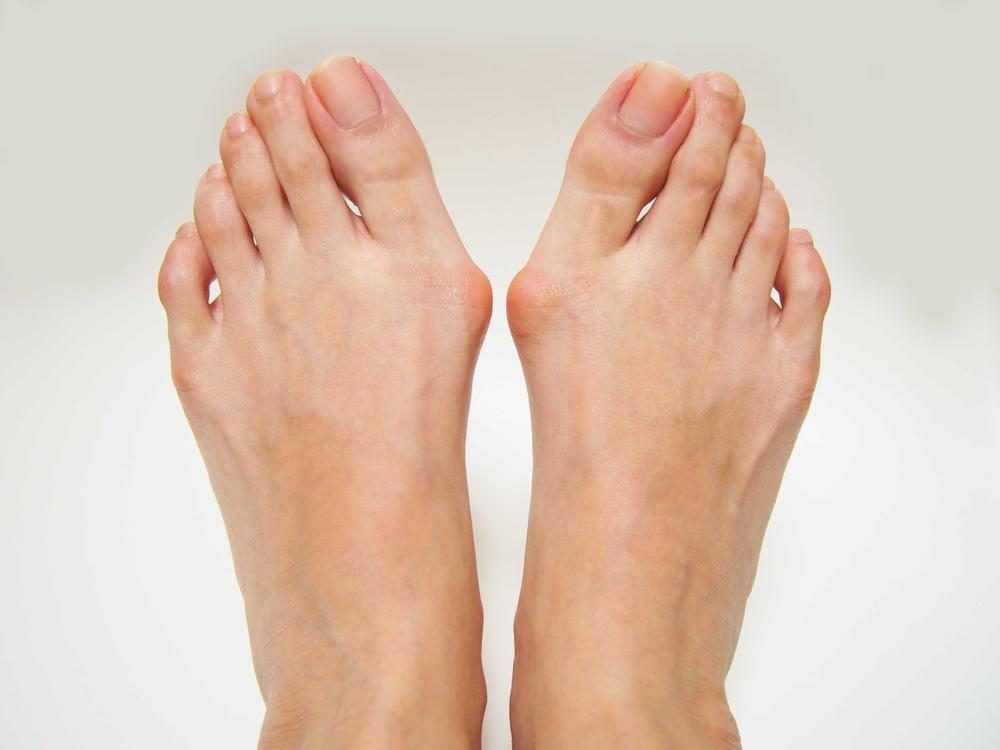
Bunions vary in size and severity. The appearance of the bump does not always indicate how much pain a person will experience.
Aching or tenderness near the base of the big toe, especially when pressure is placed on the joint.
A noticeable prominence on the inner side of the foot near the big toe joint.
Irritation around the prominent joint, often aggravated by rubbing against footwear.
Tightness or rubbing at the front of the shoe may make certain styles uncomfortable.
Stiffness or discomfort when bending the big toe during walking or other activities.
Crowding, pressure calluses, or overlapping toes can develop as the forefoot alignment changes.
Consider a podiatric evaluation when a bunion causes persistent pain, limits footwear choices, interferes with walking, or contributes to irritation of nearby toes. Not every bunion requires surgery, and early evaluation can clarify appropriate symptom-management options.

Bunions develop through a combination of inherited foot characteristics, joint mechanics, and other contributing factors. Tight footwear can aggravate symptoms, but is not the only cause.
Certain foot shapes and tendencies toward joint instability can run in families, increasing the likelihood of developing a bunion.
The way a foot bears weight and moves may contribute to changing alignment at the big toe joint over time.
Narrow toe boxes and high-heeled shoes can compress the forefoot and increase pain or irritation around an existing bunion.
Inflammatory joint disorders and certain neuromuscular conditions may contribute to forefoot deformity in some patients.
Bunions can occur alongside hammertoes, overlapping toes, or pressure-related calluses, which may require additional attention during evaluation.
A podiatric examination can help determine whether a bunion is responsible for your symptoms and whether nearby joints or toes are also affected.
The evaluation considers pain, alignment, flexibility, joint movement, footwear, and your daily activity needs.
Discussion of when the bump appeared, pain patterns, previous treatments, family history, and difficulties with shoes or physical activities.
Assessment of toe alignment, joint movement, tenderness, skin irritation, and any related forefoot changes.
Weight-bearing X-rays may be recommended to assess bone alignment, joint changes, and deformity severity when treatment planning requires them.
Treatment depends on your symptoms, foot structure, activity needs, and joint condition. Nonsurgical approaches often focus on reducing pressure and discomfort, while surgery may be considered for selected patients.
Shoes with a wider toe box and appropriate support can reduce rubbing and pressure over the prominent joint.
Nonmedicated bunion pads may help cushion the area from shoe friction. Padding should fit properly without creating new pressure points.
Orthotics may help address certain foot mechanics or pressure-related symptoms. They do not permanently straighten an established bunion.
Learn about orthotics →Selected patients may find that appropriate spacers or similar devices reduce friction between the toes. These devices generally do not correct the bone deformity.
Activity adjustments, cold packs, or medications may be considered when medically appropriate to help manage discomfort. Recommendations depend on your health history.
Surgery may be discussed when persistent pain and functional limitations remain despite suitable nonsurgical care. Different procedures address different patterns of deformity.
Learn about surgical care →Nonsurgical measures may substantially improve comfort, but they generally cannot reverse the underlying bone misalignment. Surgery is the option used to correct the deformity when appropriate. A bunion that does not cause meaningful symptoms may not need surgical treatment.
Some simple changes may help reduce pressure on the big toe joint while you follow an appropriate treatment plan.
Gout, arthritis, infection, and other conditions can also cause pain or swelling around the big toe. Sudden severe pain, marked redness or warmth, fever, or rapidly worsening swelling warrants prompt medical assessment rather than assuming the bunion is responsible.
Answers to common questions about bunion symptoms, causes, treatment, and surgical evaluation.
Bunions often develop through a combination of inherited foot structure, joint mechanics, and other contributing factors. Tight shoes can increase pressure and pain, but are not the sole cause of bunions.
Nonsurgical treatment may reduce symptoms, but it generally does not reverse the structural misalignment of an established bunion. Surgery may be considered when correcting the deformity is medically appropriate.
Some bunions gradually progress, while others change slowly or remain relatively stable. Progression varies from person to person, and a podiatric evaluation can help assess the condition.
Orthotics may help reduce discomfort or improve pressure distribution in some patients. They are not expected to permanently straighten an established bunion.
Learn about orthotics →Surgery may be considered when persistent pain or difficulty with walking and footwear remains despite suitable nonsurgical care. The decision depends on symptoms, examination findings, and individual treatment goals.
Learn about foot and ankle surgery →Bunions can crowd the neighboring toes and may occur alongside hammertoes or overlapping toes. Not every hammertoe is caused by a bunion, so both conditions should be evaluated individually.
Learn about hammertoes →Explore other foot and ankle services available at Lakeland Foot & Ankle.