Pain in the Bent Toe
Aching, tenderness, or irritation near the affected joint, especially when wearing shoes or walking.

A bent or painful toe can make wearing shoes, walking, and everyday activities uncomfortable. Dr. William S. Wong provides podiatric evaluations and individualized treatment recommendations for hammertoes, toe deformities, and related forefoot discomfort.

A graduate of the New York College of Podiatric Medicine and a Fellow of the American College of Foot and Ankle Surgeons, Dr. Wong provides foot and ankle care for patients in Lakeland, Florida.
25+ Years in BusinessA hammertoe is a toe deformity in which the middle joint bends abnormally, creating a raised or curled appearance.
Hammertoes commonly affect the second, third, or fourth toes. They can develop when the muscles and tendons responsible for keeping a toe straight become imbalanced, allowing the joint to remain in a bent position.
The raised joint may rub against footwear and develop a painful corn or callus. Pressure beneath the affected toe can also contribute to discomfort in the ball of the foot.
Early hammertoes may remain flexible, meaning the toe can still be straightened with gentle movement. More advanced deformities may become rigid and difficult to reposition.
Treatment depends on the flexibility of the affected toe, pain, footwear difficulties, skin changes, and the presence of other foot conditions.
Schedule a hammertoe evaluation →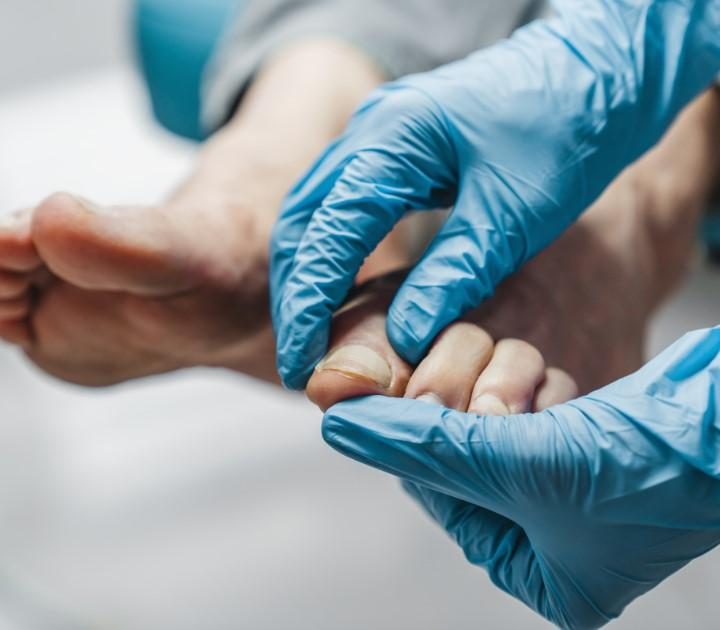
Some hammertoes cause little discomfort, while others make everyday footwear and activities increasingly difficult.
Aching, tenderness, or irritation near the affected joint, especially when wearing shoes or walking.
A toe that curls or bends upward at the middle joint rather than resting in a straight position.
Thickened skin can develop over the raised joint, at the tip of the toe, or beneath pressure points.
Friction from footwear may irritate the raised joint and cause redness, tenderness, or localized swelling.
The affected joint may become stiff or difficult to straighten as the deformity progresses.
Changes in toe position may increase pressure near the base of the toe, causing pain beneath the forefoot.
No. A visible hammertoe can exist without significant symptoms. Evaluation becomes particularly important when pain, corns, sores, or problems with footwear develop. People with diabetes or reduced foot sensation should seek timely evaluation of any new pressure-related skin changes.
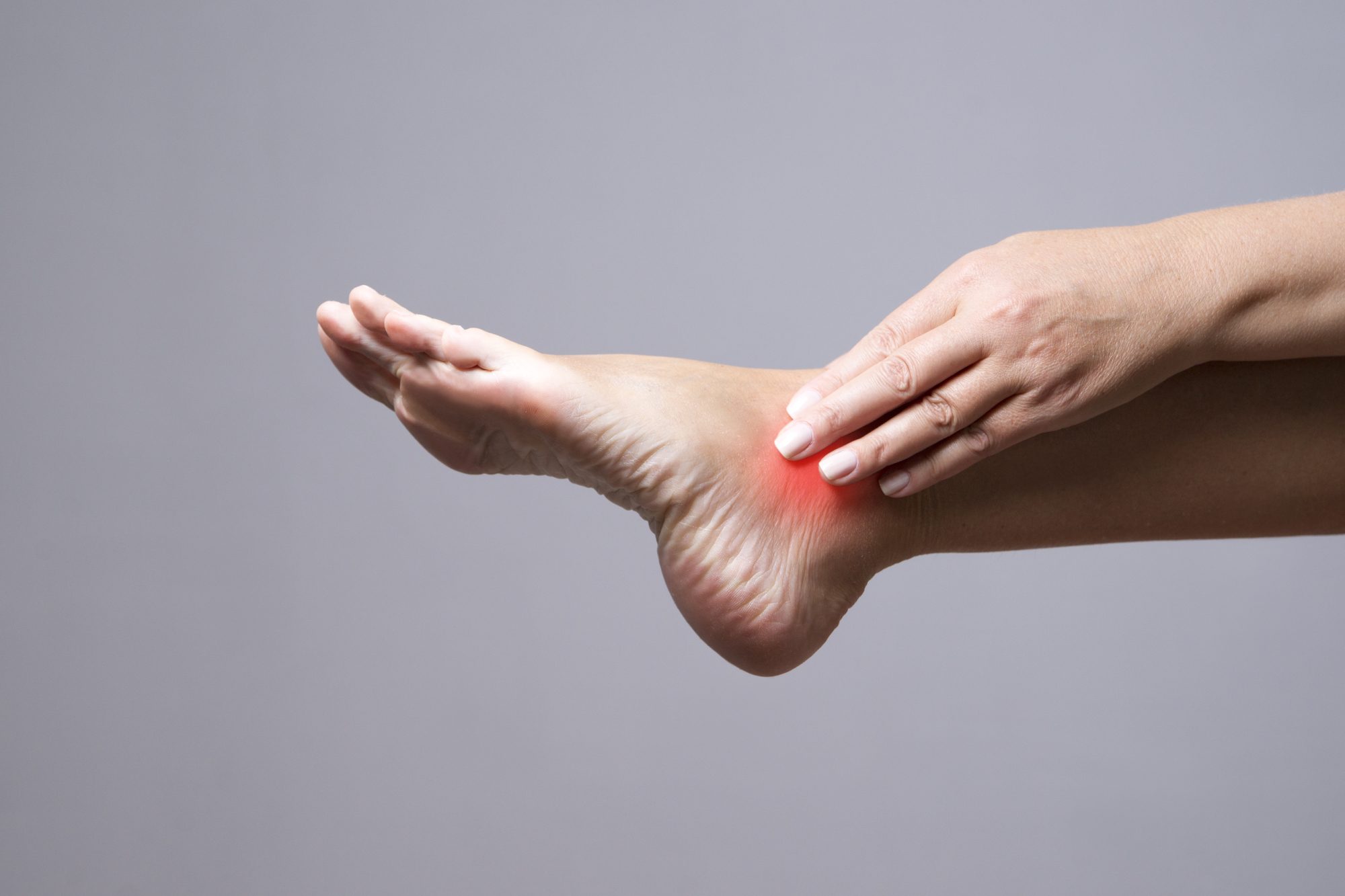
Hammertoes can develop through a combination of muscle and tendon imbalance, inherited foot characteristics, footwear pressure, and underlying medical conditions.
The muscles and tendons that control toe movement may no longer work together effectively, allowing a toe joint to remain bent.
Certain foot shapes and mechanical tendencies can run in families. These may contribute to abnormal pressure or toe positioning.
Shoes with narrow toe boxes or insufficient room can aggravate a hammertoe by compressing the affected joint and increasing friction.
Arthritis, neuromuscular disorders, and other conditions affecting muscles, nerves, or joints may contribute to toe deformities.
A flexible hammertoe can still be gently straightened, while a rigid hammertoe remains fixed in its bent position. This distinction is important when considering treatment options.
An examination helps determine which toe joints are affected, whether the deformity is flexible or rigid, and how it affects your comfort and mobility.
Dr. Wong can also evaluate related concerns, including corns, skin irritation, bunions, and pressure beneath the ball of the foot.
Discussion of pain, when toe changes began, footwear concerns, previous injuries, and medical conditions that may affect foot health.
Examination of joint position, movement, flexibility, tenderness, skin pressure, and the surrounding toes and forefoot.
X-rays may be recommended when joint alignment, arthritis, or other structural changes need further assessment, particularly during surgical planning.
The appropriate treatment depends on toe flexibility, symptoms, skin pressure, other foot conditions, and individual activity needs. Nonsurgical measures often focus on comfort and reducing friction rather than permanently correcting a fixed deformity.
Shoes with a wide and sufficiently deep toe box may reduce rubbing against the raised joint and provide more space for affected toes.
Carefully selected nonmedicated pads may help reduce shoe friction and discomfort over a prominent toe joint or pressure area.
Inserts or orthotics may help redistribute pressure or support foot mechanics in appropriate cases. They generally do not straighten a rigid hammertoe.
Learn about orthotics →For selected flexible hammertoes, appropriate exercises or stretching may help maintain movement. They cannot reliably reverse an established rigid deformity.
Professional assessment of painful corns or calluses can identify contributing pressure. Patients with diabetes or circulation problems should avoid treating these lesions themselves.
Surgery may be considered for persistent pain, recurrent skin problems, or a deformity that significantly affects function. The procedure depends on the joint and degree of rigidity.
Explore surgical care →Flexible hammertoes may respond to footwear adjustments, pressure relief, and other conservative measures. However, once a deformity becomes rigid, nonsurgical care generally cannot permanently straighten the joint. Not every hammertoe requires corrective surgery.
Everyday footwear choices and attention to skin pressure can help reduce irritation while you follow an appropriate treatment plan.
A hammertoe can create pressure points that are particularly concerning when diabetes, neuropathy, or reduced circulation is present. New sores, open wounds, spreading redness, drainage, or darkening skin require prompt medical assessment. Do not cut away corns or calluses yourself.
Answers to common questions about bent toes, hammertoe treatment, and surgical evaluation.
A flexible hammertoe can still be gently straightened at the affected joint. A rigid hammertoe remains fixed in its bent position. Joint flexibility helps guide treatment recommendations.
Nonsurgical approaches may improve comfort and reduce pressure, particularly when a hammertoe is flexible. A rigid deformity generally cannot be permanently straightened through nonsurgical care alone.
Corns often develop where the raised toe joint repeatedly rubs against footwear. Continued friction and pressure cause the skin to thicken.
Yes. Hammertoes can occur alongside bunions, particularly when changes in forefoot alignment create crowding or abnormal pressure on nearby toes. Each problem should be evaluated individually.
Learn about bunions →Surgery may be considered when pain, recurring pressure sores, or functional problems continue despite appropriate nonsurgical treatment. Recommendations depend on toe flexibility, anatomy, and overall health.
Learn about foot and ankle surgery →Yes. Hammertoes can create pressure areas that may lead to skin breakdown. People with diabetes, neuropathy, or circulation problems should monitor their feet closely and arrange timely evaluations for new skin changes.
Learn about diabetic foot care →Explore other foot and ankle services available at Lakeland Foot & Ankle.