Recurring Heel Pain
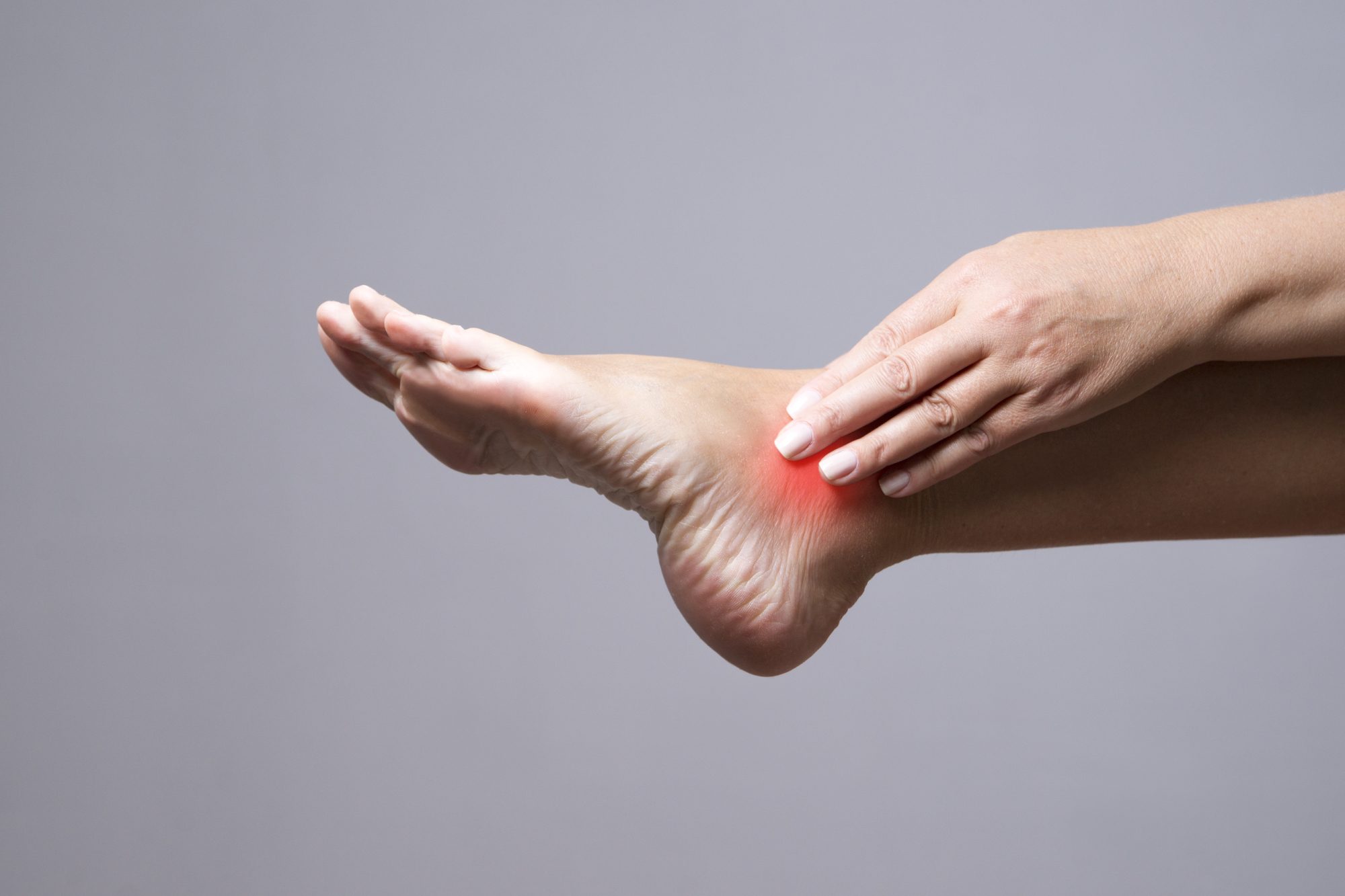
Discomfort beneath the heel, including some cases of plantar fasciitis, may respond to appropriate foot support.

The right support can make a difference when foot pain, uneven pressure, or arch problems affect your everyday activities. Dr. William S. Wong provides podiatric evaluations and individualized recommendations for orthotics, shoe inserts, and related foot conditions.

A graduate of the New York College of Podiatric Medicine and a Fellow of the American College of Foot and Ankle Surgeons, Dr. Wong provides foot and ankle care for patients in Lakeland, Florida.
25+ Years in BusinessFoot orthotics are devices placed inside shoes to provide support, redistribute pressure, and help manage certain foot and ankle problems.
Depending on their design, orthotics can support the arch, cushion sensitive areas, or influence how forces pass through the foot during standing and walking.
Orthotics are not all the same. Some are prefabricated and available in standard sizes. Others are custom-made using measurements or impressions of an individual's feet and selected for specific clinical needs.
A custom device is not automatically necessary or better for every patient. The most appropriate choice depends on the diagnosis, foot structure, symptoms, footwear, and activity level.
Dr. Wong can evaluate whether orthotic support belongs in your treatment plan and which type may be appropriate for your needs.
Schedule an orthotics evaluation →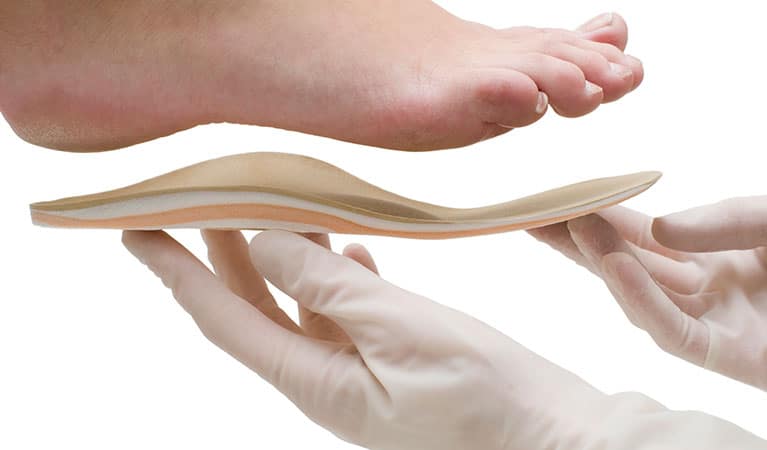
Certain symptoms and foot characteristics may suggest that additional support is worth discussing with a podiatrist. An examination helps determine the cause.
Discomfort beneath the heel, including some cases of plantar fasciitis, may respond to appropriate foot support.
Aching through the arch or foot fatigue during prolonged standing can have several causes worth evaluating.
Certain pressure points, tenderness, or recurring calluses may reflect areas that need additional protection.
Some patients with low arches experience discomfort or strain that may benefit from targeted support.
A high-arched foot may concentrate pressure in particular areas, creating discomfort during activity.
Certain tendon and joint problems may be affected by how the foot bears weight and moves.
Foot pain may involve muscles, tendons, nerves, bones, or joints. An insert can be helpful for some conditions but inappropriate or insufficient for others. Persistent pain deserves an evaluation before relying on shoe inserts alone.
Both prefabricated inserts and custom orthotics can be useful. The choice should reflect your symptoms and the problem being treated, rather than assuming one type is best for everyone.
These are available in standard shapes and sizes. Some people obtain adequate comfort and support from a suitable prefabricated device without needing custom fabrication.
Custom orthotics are made using information about an individual's feet and may incorporate specific materials, contours, cushioning, or modifications based on the intended clinical purpose.
Some devices are designed primarily to cushion sensitive areas or redistribute pressure rather than control foot motion.
Orthotics may be considered for plantar fasciitis, certain arch and tendon problems, selected arthritis symptoms, and some pressure-related foot concerns. The evidence and expected benefit differ by condition.
Proper fit inside the shoe matters. A device that crowds the foot or changes shoe fit unfavorably may cause new discomfort.
Selecting the right foot support begins with understanding the symptoms and mechanical factors involved, not simply choosing an insole based on arch height.
An evaluation helps determine whether orthotics are appropriate and whether other treatment measures are needed.
Review of the location and pattern of pain, previous injuries, medical conditions, footwear, and daily or athletic activities.
Examination of foot alignment, areas of tenderness, range of motion, pressure-related concerns, and walking mechanics when relevant.
Discussion of suitable footwear, prefabricated or custom devices when indicated, expected benefits, and whether follow-up or additional treatment is needed.
Depending on your examination, foot support may be one part of a broader treatment plan. Recommendations should match the condition rather than relying on inserts as a universal solution.
Properly selected ready-made inserts may offer sufficient arch support or cushioning for some patients, particularly when symptoms are uncomplicated.
Custom-made devices may be considered when foot structure, pressure concerns, or persistent symptoms call for individualized support.
Appropriate shoe width, depth, stability, and fit are important whether you use an orthotic device or not.
Inserts with suitable contours or cushioning may help reduce stress on certain painful areas of the heel or arch.
Some conditions require exercises, strength work, activity adjustments, or other treatment in addition to appropriate orthotic support.
Orthotics may require a period of adjustment. Persistent rubbing, new pain, or inadequate symptom improvement should be reviewed rather than ignored.
No. Some patients do well with appropriately selected prefabricated supports. Custom orthotics may be reasonable for specific needs, but their added value depends on the condition and patient. An evaluation helps guide that decision.
Appropriate footwear, a comfortable fit, and ongoing symptom monitoring can help you use your orthotics safely and effectively.
Orthotics that cause friction or pressure can be particularly risky when diabetic neuropathy reduces sensation. Patients with diabetes should inspect their feet and shoes regularly and seek prompt evaluation for redness, blisters, open wounds, or other pressure-related skin changes.
Answers to common questions about custom inserts, arch support, fit, and foot pain.
Both terms can describe devices placed inside shoes. Orthotics are often designed or selected for a specific support or medical purpose, while general insoles may focus mainly on comfort and cushioning.
Some people benefit from prefabricated arch supports, while others have clinical needs that may justify custom-made devices. The choice depends on the diagnosis, foot structure, symptoms, and footwear.
Orthotics may help manage some cases of plantar fasciitis and heel pain by supporting the foot or changing pressure distribution. They may be combined with stretching, footwear changes, or other care.
Learn about heel pain →Some people need an adjustment period, particularly with a new or firmer device. Follow your clinician's wearing instructions, and seek advice if discomfort persists or skin irritation develops.
Orthotics can provide support and may help reduce symptoms, but they generally do not permanently change an adult's underlying foot structure. Their purpose depends on the condition being treated.
Orthotics should be reassessed if they are damaged, no longer fit properly, cause new pressure, or stop providing the expected comfort. Replacement timing depends on the materials, amount of use, and foot needs.
Explore related services at Lakeland Foot & Ankle.